

AB 1482 in Plain English: Statewide Rent Caps and Just-Cause
The AB 1482 rent cap is 8.6% in Santa Barbara, Ventura and SLO counties through July 2027: the math, exemptions, just cause and stricter local rules.

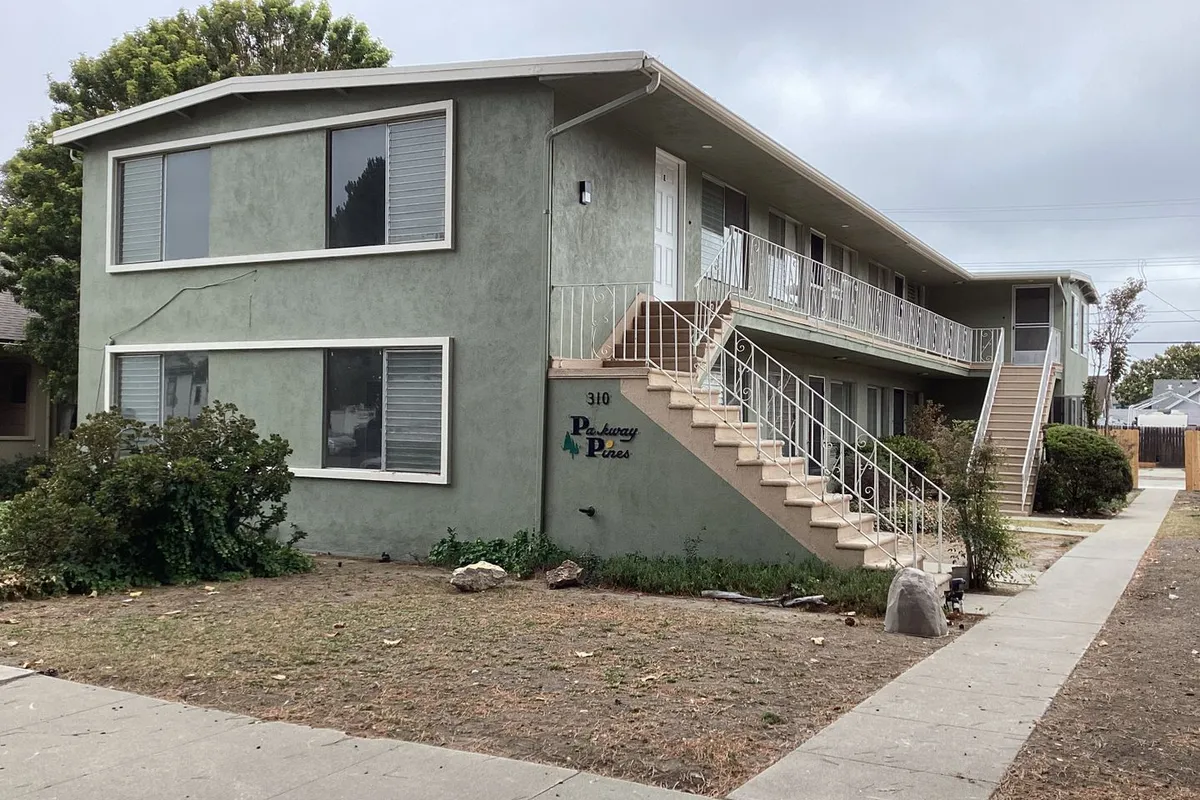
On August 1, the statewide cap on rent increases reset for most apartments in Santa Barbara, Ventura and San Luis Obispo counties: through July 31, 2027, a covered unit's rent can rise at most 8.6 percent. Borrow the Los Angeles figure, an easy mistake in Ventura County, and you get 8.7 percent, a tenth of a point too high. Since April 2024 the statute spells out damages for overcharges.
The law is AB 1482, the Tenant Protection Act of 2019. It caps yearly increases, requires a stated reason to end most tenancies after a year, and sets a floor that several Central Coast jurisdictions build on. Here is how it works, with the checks we run when we underwrite a building.
At a glance
- 8.6 percent through July 31, 2027 in Santa Barbara, Ventura and San Luis Obispo counties: 5 percent plus the 3.6 percent April-to-April change in the California CPI, never more than 10 percent.
- Measured from the lowest rent in the prior 12 months, with at most two increases in that period. Rent resets only when every prior tenant has moved out.
- Exempt: buildings certified for occupancy in the last 15 years, separately sellable houses and condos with the statutory lease notice, and owner-occupied duplexes. Private student housing isn't an exempt dormitory.
- Local rules go further. Santa Barbara, Goleta, Carpinteria, unincorporated Santa Barbara County and Oxnard require more than the state's one month of no-fault relocation (Ventura does for demolition or substantial remodel), and Santa Barbara and Oxnard cap older buildings below 8.6 percent.
How much can rent go up under AB 1482?
The cap is 5 percent plus the change in the cost of living, or 10 percent, whichever is lower (Civil Code §1947.12). Three details set the number.
Which CPI. The statute uses four federal metro indexes (Los Angeles–Orange, Riverside–San Bernardino, San Diego and San Francisco–Oakland) and, everywhere else, the California CPI from the Department of Industrial Relations (DIR). There is no federal index for our three counties, so they use the California figure.
Which year. The change runs April to April, rounded to a tenth of a percent. Increases taking effect on or after August 1 use that year's figure; earlier ones use the prior year's.
Which rent. The base is the lowest rent charged in the 12 months before the increase. Accepted concessions don't lower it, and the lease must list them separately. A tenant can get two increases at most in 12 months, and together they can't exceed the cap.
| Increases taking effect Aug. 1 to Jul. 31 | California CPI, April to April | Maximum increase |
|---|---|---|
| 2020–21 | 1.0% | 6.0% |
| 2021–22 | 4.0% | 9.0% |
| 2022–23 | 7.7% | 10.0% (ceiling) |
| 2023–24 | 4.2% | 9.2% |
| 2024–25 | 3.8% | 8.8% |
| 2025–26 | 2.7% | 7.7% |
| 2026–27 | 3.6% | 8.6% |
Computed from DIR's California CPI.
Worked example: one $2,400 apartment
A tenant has paid $2,400 a month for the past year. For an increase taking effect from August 1, 2026 through July 31, 2027, the maximum is $206.40 (8.6 percent), for a new rent of $2,606.40. Split it into $2,500 in December and $2,606.40 in June, and the second step is still measured from $2,400. The same unit elsewhere in our markets:
| Where the unit is | Rule | Next increase | New rent |
|---|---|---|---|
| AB 1482: Santa Barbara, Ventura or SLO County | 5% + 3.6% CPI | $206.40 (8.6%) | $2,606.40 |
| Oxnard, first certificate of occupancy before Feb. 1, 1995 | Local cap, once in 12 months | $96.00 (4%) | $2,496.00 |
| City of Santa Barbara, certificate before Feb. 1, 1995 | Moratorium through 2026; 2.1% for 2027 if the ordinance is in effect | $0 now; $50.40 from Jan. 1, 2027 | $2,400.00, then $2,450.40 |
| Exempt: certificate within 15 years, or a noticed house or condo | No state cap | Market | Market |
Notice, and when rent resets
For a month-to-month tenant, Civil Code §827 requires written notice at least 30 days before an increase that, with others in the prior 12 months, totals 10 percent or less, and 90 days above that, plus five days if mailed. A fixed-term lease follows its own terms. Tenancies begun or renewed since July 1, 2020 also need the statute's 12-point disclosure of the cap and just-cause rules, and Oxnard's increase notice must cite its rent ordinance.
Rent resets only when no tenant from the prior tenancy remains. If one roommate stays and new ones join, the cap still applies, which matters in Isla Vista, where leases turn over each academic year.
Which buildings are exempt from AB 1482?
The rent cap and the just-cause rule share most exemptions:
- Newer buildings: a certificate of occupancy issued within the previous 15 years. The window rolls; for increases in late 2026, that means certificates issued after late 2011. Use the certificate date, not a marketing package's year built.
- Separately sellable houses and condos: exempt only if the owner is not a REIT, a corporation or an LLC with a corporate member, and the tenants got the exact statutory notice, which must be in the lease for tenancies begun or renewed since July 1, 2020. No notice, no exemption.
- Owner-occupied duplexes: two units in one structure, the owner living in one since the tenancy began. Neither can be an ADU.
- Deed-restricted affordable housing.
- Dormitories owned and operated by a college or school. Private student housing doesn't qualify.
- Units under a stricter local rent cap.
The just-cause rule adds a few more, such as hotels and rooms in an owner-occupied house.
Just cause: ending a tenancy after 12 months
After a tenant has lawfully occupied a unit for 12 months, the owner needs a reason, stated in the notice, to end the tenancy (Civil Code §1946.2). Adding adult tenants can extend that wait to as long as 24 months.
At-fault causes include nonpayment, a material lease breach (after a notice to cure, if curable), nuisance, criminal activity and refusing to sign a similar renewal. No relocation is owed.
No-fault causes are owner or relative move-in, withdrawal from the rental market, a government order to vacate, and demolition or substantial remodel. The owner must pay one month's rent within 15 calendar days of serving notice, or waive the last month's rent in writing, and say so in the notice, or the notice is void.
What SB 567 changed in April 2024
SB 567, effective April 1, 2024:
- Owner move-in: the occupant, named in the notice, must be an owner with at least a 25 percent interest (with limited allowances for family ownership, trusts and LLCs) or that owner's spouse, domestic partner, child, grandchild, parent or grandparent. They must move in within 90 days and stay 12 months, or the owner must offer the unit back at the same rent and cover moving costs. As before, leases signed since July 1, 2020 must allow it unless the tenant agrees in writing.
- Substantial remodel: still limited to permitted work on a structural, electrical, plumbing or mechanical system, or hazardous-material abatement, that requires the tenant to leave for at least 30 consecutive days; cosmetic work doesn't count. The notice must now describe the work, attach the permits and give the tenant a right to re-rent at the old rent if the work doesn't happen.
- Penalties: wrongful recovery of a unit brings actual damages, up to triple plus punitive damages if willful, and injunction suits by the Attorney General, city attorney or county counsel. Overcharges must be repaid, up to triple if willful, with three years to sue.
Where local rules replace AB 1482 on the Central Coast
A stricter local rent cap displaces AB 1482's, and a local just-cause ordinance that is more protective, and says so in a binding finding, displaces the state's; a unit is never under both. State law bars local caps on units certified after February 1, 1995, hence that date in Santa Barbara and Oxnard.
| Jurisdiction | Local rent cap | Eviction rules | No-fault relocation |
|---|---|---|---|
| City of Santa Barbara | Yes, certificate before Feb. 1, 1995 | SBMC ch. 26.50 | 2 months' rent |
| Goleta | No | GMC ch. 8.19 | Greater of 2 months or $8,000 |
| Carpinteria | No | CMC ch. 7.04 | Greater of 2 months or $6,750 |
| Unincorporated Santa Barbara County (Isla Vista, Montecito, Orcutt) | No | County Code ch. 44 | Greater of 3 months' HUD fair market rent or $7,000 |
| Oxnard | 4%, certificate on or before Feb. 1, 1995 | City Code ch. 27, after 30 days | Greater of 2 months or $5,000 |
| Thousand Oaks | Only tenants in place since 1987 | State | 1 month, or waive the last |
| Ventura | None on apartments that we know of | State, plus City rules for demolition and substantial remodel (VMC ch. 8.1100) | 2 months for demolition or substantial remodel; otherwise 1 month, or waive the last |
| Santa Maria, Lompoc, Solvang, San Luis Obispo | None on apartments that we know of | State | 1 month, or waive the last |
City of Santa Barbara. A temporary moratorium (Ordinance No. 2026-6206) bars increases on covered units through December 31, 2026. The permanent ordinance, adopted October 6, 2026, is on hold while the signatures on a referendum petition filed November 5, 2026 are checked; if it takes effect, its rent limits start with the 2.1 percent annual adjustment the City has posted. For buyers: no-fault tenants get a two-year right to re-rent, and a buyer of five or more units must wait a year before any remodel or demolition eviction. See our owner's guide and rent control explainer.
Unincorporated Santa Barbara County, including Isla Vista. AB 1482's 8.6 percent applies, but evictions follow County rules: a remodel eviction needs an early alert notice and work aimed mainly at health and safety code compliance, displaced tenants get a right of first refusal for up to two years, and owners must offer one-year leases at a fixed rent, as in Goleta. See our Isla Vista guide.
Oxnard and Ventura. Oxnard units outside its cap still fall under AB 1482 unless under 15 years old, and every rental must register with the City yearly (our Oxnard analysis). Ventura has no apartment cap, but since 2022 its code has required two months' rent in relocation, or a two-month rent waiver, when the no-fault cause is demolition or substantial remodel; check current rules before any no-fault notice.
Security deposits: the related rule owners trip on
Since July 1, 2024 (AB 12), a security deposit can't exceed one month's rent (Civil Code §1950.5). Small owners (individuals or all-individual LLCs with no more than two rental properties and four units in total) may take two months, except from a service member. Earlier deposits are grandfathered. AB 2801 added move-out photo rules in April 2025 and move-in photos for tenancies from July 1, 2025. Two-month deposits on leases signed after mid-2024 are worth catching in due diligence.
What AB 1482 means for underwriting
The cap is a ceiling, not a forecast. Set 5 points over inflation, it has run from 6.0 to 10.0 percent in our counties since 2020. In our experience the market binds first on units near market rent, especially where vacancy ran 5 to 6 percent at the end of 2025, as in North Santa Barbara County and Ventura County by our team's readings. We underwrite rent growth from comps and the rent roll, then check it against the cap.
It binds on loss-to-lease. A $1,900 unit in a $2,400 market needs 26 percent to reach market. At 8.6 percent a year, held flat for illustration, it takes three increases ($2,063.40, $2,240.85, then market) to catch up, each a move-out risk. A pre-1995 unit inside Santa Barbara city limits would get 2.1 percent in 2027 if the ordinance takes effect, or $39.90, and closes the gap only at turnover.
A sale doesn't restart the clock. The statute's "owner" includes the predecessor in interest, so the seller's increases in the past 12 months count against the buyer's. Collect each unit's last increase, move-in date, certificate of occupancy date and exemption notices (see our rent roll guide), and price relocation at local rates.
Don't underwrite the sunset. AB 1482 is scheduled to expire January 1, 2030. AB 1157, which would have cut the cap to 2 percent plus CPI (5 percent at most), ended the house-and-condo exemption and removed the sunset, died in committee in January 2026. We assume some cap continues. And with the 10-year Treasury near 5.2 percent, no buyer should count on falling cap rates to rescue a thin plan.
Frequently asked questions
What is the AB 1482 rent cap for 2026–2027 in Santa Barbara County?
8.6 percent for increases taking effect from August 1, 2026 through July 31, 2027: 5 percent plus the 3.6 percent April-to-April change in the California CPI, which applies because there is no federal CPI for the Santa Barbara area. Ventura and San Luis Obispo counties are also at 8.6 percent; Los Angeles and Orange counties are at 8.7 percent.
Does AB 1482 apply to my apartment building?
Usually, if its certificate of occupancy is more than 15 years old. The main exemptions are newer buildings, noticed houses and condos not owned by a corporation, owner-occupied duplexes, deed-restricted affordable housing and college-owned dorms. In Santa Barbara and Oxnard, units certified before February 1, 1995 fall under a stricter city cap instead.
How often can a landlord raise rent under AB 1482?
Twice at most in 12 months for the same tenant, with the total capped and measured from the lowest rent in the prior 12 months. Each increase needs at least 30 days' written notice, or 35 if mailed, when the 12-month total is 10 percent or less. Santa Barbara's and Oxnard's city caps allow one increase a year.
How much relocation do I owe for a no-fault eviction in California?
Under AB 1482, one month's rent within 15 calendar days of the notice, or a written waiver of the last month's rent. Locally it is more: two months in the City of Santa Barbara, and the greater of two months or $8,000 in Goleta, two months or $6,750 in Carpinteria, three months of HUD fair market rent or $7,000 in unincorporated Santa Barbara County, two months or $5,000 in Oxnard, and two months in Ventura for demolition or substantial remodel.
When does AB 1482 expire?
January 1, 2030, unless the Legislature extends it. A 2025 bill to lower the cap and remove the sunset (AB 1157) died in January 2026, so the current formula stands. Local ordinances are separate laws; Goleta's says it was adopted partly to make the AB 1482 protections permanent there.
How we can help
Setting next year's increases, checking a building's exemptions or underwriting a purchase under local rules? We can show you how the numbers work. Request a free opinion of value or contact Steve Golis (DRE #00772218), Jack Gilbert (DRE #02197493) or Aneta Jensen (DRE #01994822) at Radius Commercial Real Estate. For a specific notice, talk to a landlord-tenant attorney.
Sources
- California Civil Code §1947.12: rent cap, CPI definitions, exemptions, remedies, January 1, 2030 sunset
- California Civil Code §1946.2: just cause, relocation, exemptions, local ordinances
- California Civil Code §827 and Code of Civil Procedure §1013: rent-increase notice
- California Civil Code §1950.5, as amended by AB 12 and AB 2801: security deposits
- California Civil Code §1954.52: limits on local rent control (Costa-Hawkins)
- SB 567 (2023) and AB 1157 (2025–26) history
- California Department of Industrial Relations: California Consumer Price Index
- U.S. Bureau of Labor Statistics: CPI regional resources
- City of Santa Barbara: Rent Stabilization Program, Just Cause Ordinance FAQ, Resolution No. 23-058 and Ordinance No. 6179
- City of Goleta: Tenant Protections
- City of Carpinteria: Resolution No. 6434
- County of Santa Barbara Code, Chapter 44
- City of Oxnard: Rent Stabilization and Just Cause Evictions & Tenant Protections
- City of Thousand Oaks: Housing
- Ventura Municipal Code Chapter 8.1100: just cause for demolition and substantial remodel (Ord. 2022-006)
This article is general information, not legal advice. Local rules change; confirm current requirements before serving any notice.